Justenda.

Service guide

Usufruct & Superficies in Thailand.

What a registered usufruct or superficies in Thailand gives you, when a lawyer proposes one, what gets registered at the Land Office, and the limits.

3 firms on Justenda. Compare firms

Key facts

Is a usufruct ownership of the land?
No. It is a right registered against the title deed to use the property and take its benefit for a term or for life. The land stays with its owner, and the right ends on the terms registered.
What does a superficies let you do?
Own a structure, such as a house, on land that belongs to someone else. It is registered against the land's title deed, and what happens to the building at the end follows the registered terms.
Where are these rights registered?
At the Land Office holding the property's record, entered against the title deed. Official fees follow the Department of Lands schedule, and a firm quotes the exact cost for a specific registration.

Usufruct & superficies, done properly.

Talk to someone who does this every week. Verified firms reply with how they would handle your case and what it costs. Free, no account needed.

What a usufruct in Thailand actually gives you

A usufruct in Thailand is a right registered against a property's title deed that lets the holder use the property and take its benefit, for a fixed term or for the holder's lifetime, as registered. The land still belongs to the owner. What the usufruct holder gets is a recorded entitlement to live on it, farm it, or collect its income while the right lasts.

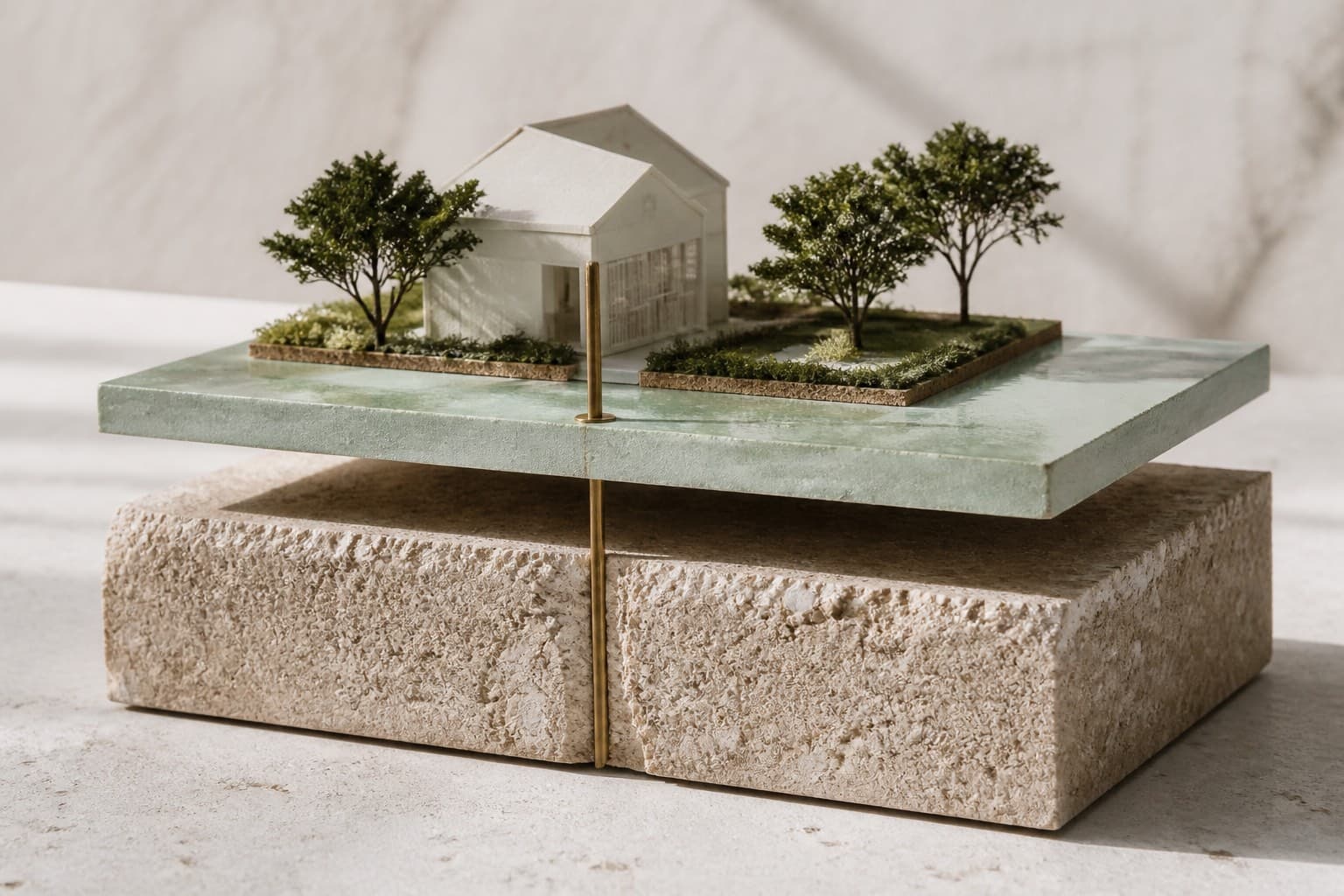
A superficies is the other registered right on this page: it lets the holder own a structure, such as a house, on land that belongs to someone else. Without it, Thai law generally treats a building as part of the land it stands on. A registered superficies separates the two, so the house can be yours even though the land is not.

Neither right is ownership of the land, and neither becomes ownership later. Each ends on the terms entered in the register. They matter because foreigners cannot own land in Thailand as a general rule, and registered rights are among the lawful ways to hold a real, recorded position in property you cannot own.

Usufruct versus superficies

Definitional comparison of the two registered rights. Both are registered against the title deed at the Land Office and end on the terms registered.

What it gives the holder
Usufruct: The right to use the property and take its benefit while the right lasts
Superficies: Ownership of a structure on land that belongs to someone else
Who typically uses it
Usufruct: A foreign spouse or long-term resident securing the right to live on Thai-owned land
Superficies: Someone building or buying a house on land they lease or cannot own
How it ends
Usufruct: On the registered term, or on the holder's death when granted for life
Superficies: On the registered term; what happens to the structure then follows the agreed and registered terms

Note: A registered right and a contract promise are different things

Both rights only do their job once they are entered against the title deed at the Land Office. A signed agreement that never gets registered is a promise between two people; the registered entry is what a future owner of the land takes subject to. This is the same distinction that decides how much protection a long lease really gives, which the leasehold versus freehold guide works through.

Your options

Contact experts who handle usufruct & superficies in Thailand

A first shortlist from 3 firms on Justenda. Compare them, then message one or several at once.

GPS Legal

Consultation from ฿3,125 · 30 min
Law firmBangkokEnglish · Thai · Swedish

Bangkok-based law firm delivering strategic, business-focused legal advice with deep local expertise and a practical, solutions-oriented approach.

฿3,50015,000 / hour

Law firmBangkokEnglish · Thai · Spanish

Experts assisting clients in conducting their businesses and protecting their rights and investments in Thailand across a wide range of legal matters.

When a lawyer proposes one, and what the work covers

These rights usually enter the conversation in two situations. The first is a foreign spouse: when land is bought in a Thai spouse's name, a lawyer may propose registering a usufruct so the foreign partner holds a recorded right to live on the property whatever happens later. The second is a house on someone else's land: when a home is built on leased or Thai-owned land, a superficies can put the structure itself in the occupant's name. Both often sit alongside wider property purchase work, and a property lawyer typically handles the title checks and the registration as one engagement.

The firm's work is drafting and registration. The lawyer checks the title and the owner first, drafts the agreement with the term, the parties' duties, and what happens at the end, then attends the Land Office where the right is entered against the deed. Official registration fees are payable there under the Department of Lands fee schedule; the schedule does not publish usufruct or superficies rates as named line items, so a firm quotes the official cost for your specific registration alongside its own fee.

Be equally clear about what these rights do not do. They do not make the holder the owner of the land, they cannot be stretched into disguised foreign land ownership, and they end when the registered term ends. Whether one fits a particular family or property situation is exactly the kind of question that depends on specifics, so it belongs in a consultation rather than a template.

From proposal to registered right

  1. Assess whether the right fits

    The lawyer looks at who owns the land, who needs protecting, and for how long, then explains what a usufruct or superficies would and would not achieve in that situation. Sometimes the honest answer is that a different arrangement serves better.

  2. Check the title and draft the agreement

    A title check confirms the registered owner and any existing encumbrances. The agreement then fixes the term, any payment, each side's duties for upkeep and taxes, and what happens to a structure when the right ends.

  3. Register at the Land Office

    Both parties or their representatives attend the land office holding the property's record. The right is entered against the title deed, and the official fees are paid there under the Department of Lands fee schedule.

  4. Keep the evidence

    The registered agreement, the annotated title deed copy, and the fee receipts are the record of the right. They are what the holder stands on if the land is later sold or the family situation changes.

When this work is worth paying for

The money at stake is rarely the registration itself; it is the house or the life plan sitting on land the holder cannot own. Registering the right costs little against what an unrecorded position loses if the owner sells, dies, or the relationship ends. The pattern to avoid is building or paying first and asking about registration afterwards.

A lawyer can check the title, draft terms that survive the term of the right, and complete the registration correctly. If someone instead proposes a structure whose main feature is getting around the foreign land ownership rules, treat that as the warning sign: the Department of Lands maintains measures against land held on behalf of foreigners.

This page is general information, not legal advice. Rules, fees, and procedures change; for a specific property or family situation, speak with a qualified professional.
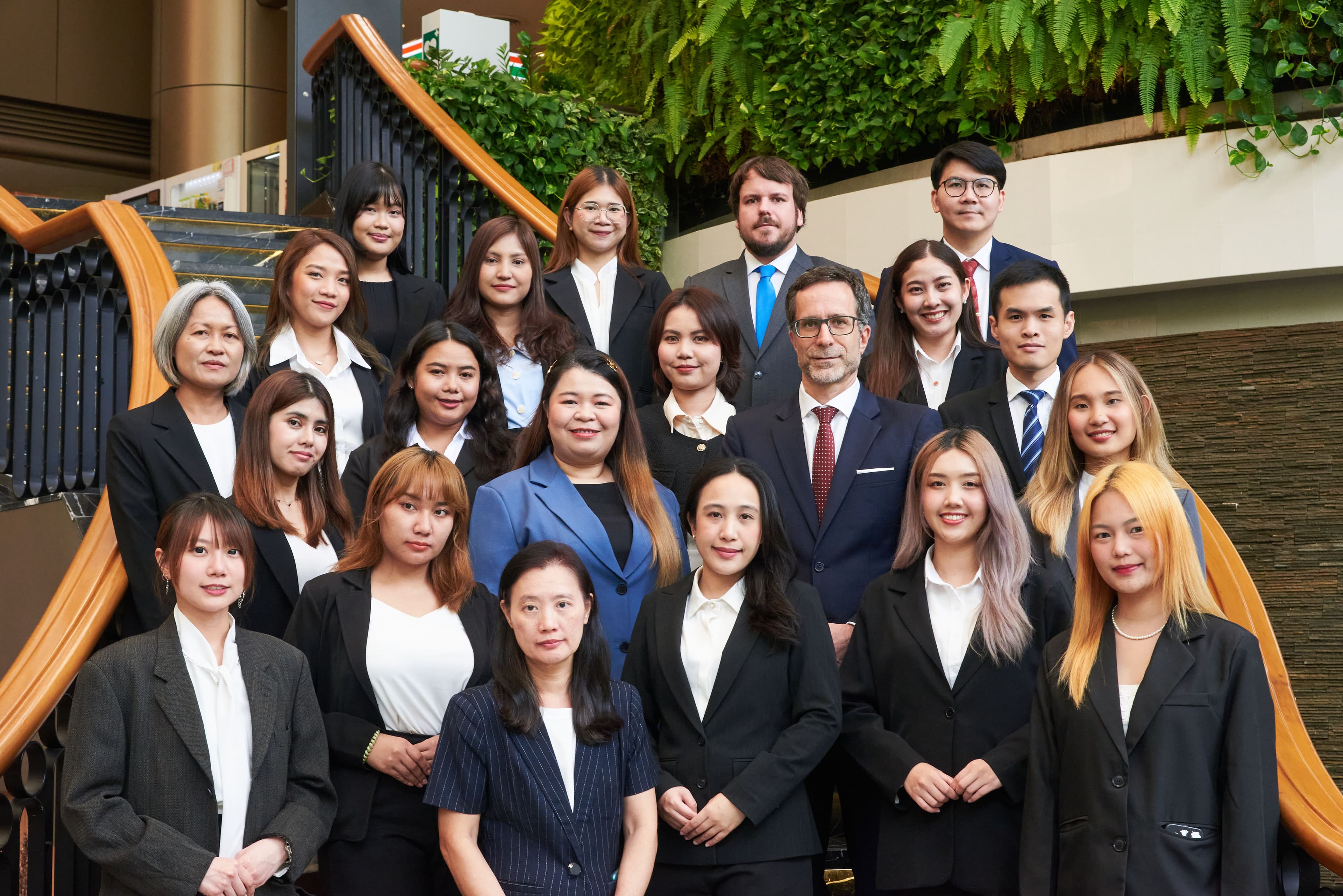

Also listed

More firms that handle usufruct & superficies

Every one of these is verified on Justenda and can take on usufruct & superficies work in Thailand.

GPS Legal

Consultation from ฿3,125 · 30 min
Law firmBangkokEnglish · Thai · Swedish

Bangkok-based law firm delivering strategic, business-focused legal advice with deep local expertise and a practical, solutions-oriented approach.

฿3,50015,000 / hour

Law firmBangkokEnglish · Thai · Spanish

Experts assisting clients in conducting their businesses and protecting their rights and investments in Thailand across a wide range of legal matters.

Next step

Describe your case once.

Send one focused inquiry with your situation, timing, and preferred language. Firms reply with how they would handle it and what it costs, so you can compare answers instead of chasing quotes.

Common questions

Frequently asked questions

What is a usufruct in Thailand?
A usufruct is a right registered against a property's title deed at the Land Office that lets the holder use the property and take its benefit, for a fixed term or for the holder's lifetime, as registered. The land remains the owner's property throughout. Foreign spouses and long-term residents use it to hold a recorded right to live on Thai-owned land, since foreigners generally cannot own land in Thailand.
What is the difference between a usufruct and a superficies?
A usufruct gives the holder the right to use another person's property and take its benefit while the right lasts. A superficies gives the holder ownership of a structure, such as a house, standing on land that belongs to someone else. Both are registered against the land's title deed at the Land Office, neither is ownership of the land, and each ends on the terms entered in the register.
Can a foreigner hold a usufruct or superficies over Thai land?
Yes. The restriction on foreigners owning land in Thailand does not stop a foreigner from holding a registered right over land, which is why lawyers raise these rights in foreign spouse and house-on-leased-land situations. The right must be registered at the Land Office to bind the property, it does not become ownership, and whether it fits a specific situation is a question for a qualified professional.

What does it cost to register a usufruct or superficies?
Official registration happens at the Land Office and fees follow the Department of Lands fee schedule, which does not publish usufruct or superficies rates as named line items. In practice the official cost of the registration is confirmed at the land office for the specific transaction, and the lawyer's fee for checking the title, drafting the agreement, and attending registration is set separately by each firm.

All firms

Every firm that can help you with usufruct & superficies

GPS Legal

Consultation from ฿3,125 · 30 min
Law firmBangkokEnglish · Thai · Swedish

Bangkok-based law firm delivering strategic, business-focused legal advice with deep local expertise and a practical, solutions-oriented approach.

฿3,50015,000 / hour

Law firmBangkokEnglish · Thai · Spanish

Experts assisting clients in conducting their businesses and protecting their rights and investments in Thailand across a wide range of legal matters.

Guides & Insights

Practical explainers on this topic: general information, not professional advice.

All guides and insights

Browse by city

Usufruct & Superficies near you