Property
Usufruct in Thailand: What Foreign Buyers Need to Know.
A usufruct gives a foreigner a registered right to use and live on Thai land for up to 30 years or life. How it works, how it differs from a lease, plus risks.
- Published
- Updated
- Reading time
- 7 min read
- Author
- Justenda
Key facts
- What is a usufruct?
- A registered right to use and enjoy someone else's property under the Civil and Commercial Code. You don't own the land, but you can live on it and benefit from it.
- How long can it last?
- Up to 30 years, or for the life of the usufructuary. A lifetime usufruct can outlast a 30-year lease.
- Can foreigners hold one?
- Yes. Foreigners cannot own land in Thailand, but they can hold a registered usufruct over Thai-owned land.
- Last reviewed
- June 2026
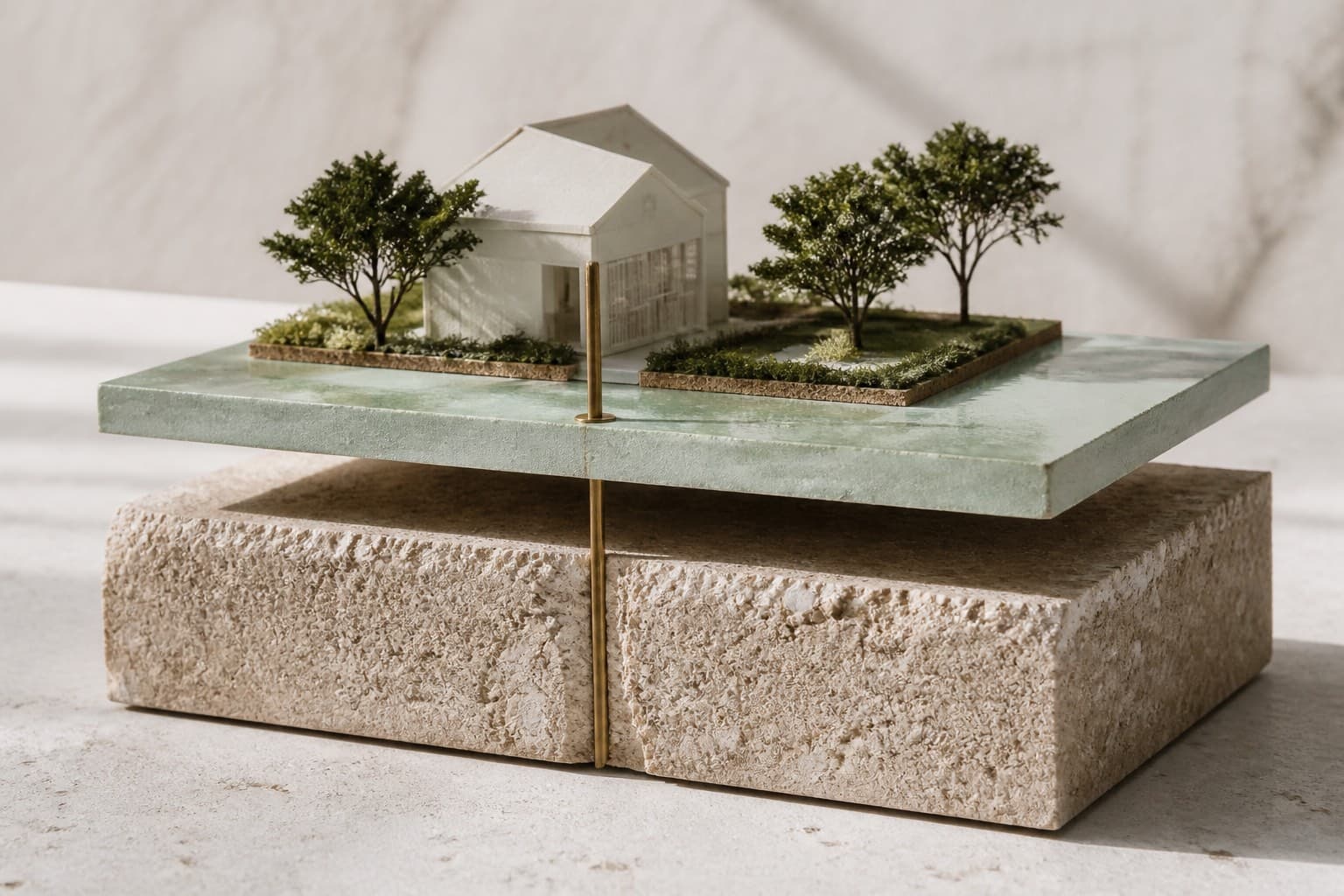
What a usufruct in Thailand actually is
A usufruct in Thailand is a registered legal right to use and enjoy property that belongs to someone else. The owner keeps the title. You, the usufructuary, get the right to live on the land, use it, and take the benefit from it, for an agreed period or for the rest of your life.
The right comes from the Civil and Commercial Code, which sets out usufruct alongside other real rights over land such as superficies and habitation. Because it is a right over the land itself, not just a contract with the owner, a properly registered usufruct survives a sale of the land. A new owner takes the land subject to your right.
For foreigners, that is the whole point. Thai law generally does not let foreigners own land, so a usufruct is one of the recognised ways to secure long-term use of a house or plot without owning it. If you are weighing usufructs against leases and other structures, lawyers who handle land-use rights in Thailand deal with exactly this question. The guide to leasehold versus freehold sets out how a lease compares with owning outright.
How long a usufruct can last
A usufruct can be granted two ways:
- For a fixed term, up to a maximum of 30 years.
- For the life of the usufructuary, however long that turns out to be.
The lifetime option is what makes usufructs attractive. A 30-year lease ends after 30 years. A lifetime usufruct granted to a 45-year-old could easily run 40 years or more. It ends when the usufructuary dies, which also means it normally cannot be inherited: the right is personal to the person it was granted to.
Registration at the Land Office
A usufruct only gives solid protection once it is registered at the local Land Office and recorded on the title deed. The landowner and the usufructuary (or their authorised representatives) attend the Land Office, the right is entered against the title, and from then on it binds anyone who later buys or inherits the land. The guide to Thai title deeds explains how to read a deed's grade and what each one permits.
A few practical points:
- Registration is only possible on land with an adequate title document. A full Chanote title is the clean case; weaker title types raise questions a lawyer can check first. Our guide to property due diligence in Thailand covers how the title is verified before money moves.
- The Land Office charges a registration fee. The amount can depend on whether the usufruct is granted for payment or for free, so confirm the current fee with the Land Office before you go.
- The registered wording defines your rights. A vague entry can turn into one of the property disputes in Thailand that buyers hoped registration would avoid, so the terms (duration, who pays taxes and upkeep, whether you can rent the property out) deserve as much care as any contract.
Usufruct vs lease: the real differences
Both give you long-term use of property you don't own, and both need Land Office registration to be fully effective for longer terms. The differences matter in practice.
Rather than treating them as interchangeable, compare them across five practical points:
- Duration. A usufruct can run for 30 years or for the usufructuary's lifetime. A registered lease is capped at 30 years.
- Effect after sale. Both can survive a sale of the land once registered, because the right sits on the title deed.
- Death and succession. A usufruct is personal and normally ends when the usufructuary dies. Lease succession can be drafted into the contract, but renewal promises are not guaranteed.
- Payment structure. A usufruct can be granted free or for payment. Rent is the core of a lease.
- Renting the property out. A usufructuary can usually rent out the property or take its benefits unless the registered terms restrict that right. A usufructuary who does rent it out takes on landlord duties, including Thailand's rental deposit rules. A tenant can sublet only if the lease allows it.
A lifetime usufruct can outlast any lease. On the other hand, leases give the parties a familiar commercial framework, and a lease can sit inside a wider deal with the landowner. Many buyers end up comparing both with a lawyer who reviews lease contracts in Thailand before deciding. For the wider ownership picture, see what foreigners can and cannot do when buying property in Thailand.
Superficies and habitation: the related rights
The Civil and Commercial Code recognises two neighbouring rights that often come up in the same conversation.
Superficies is the right to own buildings on land that belongs to someone else. Thai law treats the land and the structures on it as separable, so a foreigner who cannot own land can, with a registered superficies, own the house standing on it. Superficies and usufruct are sometimes combined: the usufruct covers use of the land, the superficies covers ownership of the building.
Habitation is narrower: a right to live in a building rent-free. It is rarely the main structure in a purchase, but it appears in family arrangements.
All three are registered at the Land Office on the title deed. Which one fits depends on what you are trying to protect, which is a structural question to settle before money moves, not after.
Where usufructs are most often used
The classic case is a foreigner married to a Thai national. The Thai spouse buys land in their sole name (Thai law requires the land to be the Thai spouse's separate property in this situation), and a usufruct is registered giving the foreign spouse a lifetime right to live on and use the property. If the marriage ends or the Thai spouse dies, the registered usufruct continues for its term. What happens to the rest of the estate is a separate question, covered in the guide to how foreigners inherit property in Thailand.
Other common uses include retirees on a Thailand retirement visa securing a long-term home without buying through a structure they don't need, and buyers of villa property where the land cannot be owned but the right to use it can be locked in. Anyone considering routes to holding Thai property should also read up on the rules around what foreigners can and cannot buy in Thailand, because usufructs are one option among several, each with different trade-offs.
Limits and risks to take seriously
A usufruct is a strong right, but it is not ownership, and it has edges.
- It usually dies with you. A lifetime usufruct cannot be left to your children. If passing the property on matters, the structure needs to account for that from the start.
- An unregistered agreement is weak. A signed "usufruct contract" that never reaches the Land Office does not bind a buyer of the land. Registration is the protection.
- The owner still owns the land. The owner can mortgage or sell it. A registered usufruct survives those events, but an unregistered one may not, and a mortgage registered before your usufruct ranks ahead of it.
- You carry obligations too. The usufructuary is generally responsible for ordinary maintenance and for not letting the property deteriorate beyond normal wear. Neglect can give the owner grounds to act.
- Courts look at substance. A usufruct designed purely to disguise foreign control of land, rather than genuine use, invites the same scrutiny as other workaround structures. Keep the arrangement honest and the paperwork clean.
None of these are reasons to avoid usufructs. They are reasons to have the terms drafted and registered properly rather than copied from a template.
Getting a usufruct registered properly
The process itself is short: agree the terms, prepare the documents, attend the Land Office with the owner, and register the right on the title deed. The value a lawyer adds sits before that day. Checking the title is clean, confirming there are no prior mortgages or encumbrances that outrank you, and drafting registered terms that actually cover renting, maintenance, and what happens in a divorce or death.
When you are ready, you can compare property lawyers in Thailand on Justenda, message them directly, and get a fee quote before you commit.
A note on what this guide is
This is general information to help you understand usufructs in Thailand, not legal advice. Registration requirements, fees, and how the rules apply to your situation depend on the specifics, including the title deed, your marital property position, and the terms you register. Confirm current requirements with the Department of Lands or a qualified Thai lawyer before you rely on any structure.
Frequently asked questions
- Can a foreigner get a usufruct in Thailand?
- Yes. The Land Code stops foreigners from owning land, but it does not stop a foreigner from holding a usufruct over land owned by a Thai national or Thai company. The usufruct is registered at the Land Office and recorded on the title deed, which makes it enforceable against later buyers of the land.
- How long does a usufruct last in Thailand?
- A usufruct can be granted for a fixed period of up to 30 years, or for the lifetime of the usufructuary (the person holding the right). A lifetime usufruct ends when that person dies, however long they live, which can make it more durable than a 30-year lease.
- Is a usufruct better than a lease?
- They solve different problems. A usufruct can run for life and gives a broad right to use and benefit from the property, but it is personal and normally ends at death, so it cannot be passed to heirs. A registered lease has a fixed 30-year ceiling but the rental terms are contractual and can be structured in more detail. Many buyers ask a lawyer to compare both against their situation before choosing.
- Does a usufruct have to be registered?
- Yes, to be fully effective against third parties a usufruct must be registered at the local Land Office and noted on the title deed. An unregistered "usufruct agreement" is far weaker protection. Registration normally requires the landowner to attend with the title deed, and the Land Office charges a fee; confirm the current fee with the Land Office.
- Can the usufruct holder rent the property out?
- Generally yes. The usufructuary has the right to use and take the benefit of the property, which usually includes letting it out, unless the registered terms say otherwise. The exact scope depends on what is registered, so the wording matters.
- What happens to a usufruct if the land is sold?
- A registered usufruct stays on the title deed and binds the new owner. The land can still be sold, but the buyer takes it subject to your right to use it for the remaining term. This is the main reason registration, not just a signed contract, matters.
Sources
- Department of Landsdol.go.th
- Department of LandsPDFdol.go.th/media/813280667562545152/2026/03/qXeVgxaDT4v2JLoWikSEHhU1.pdf
- Department of LandsPDFdol.go.th/media/813280848056029184/2026/02/EBAF485hLGxjwntourvyDW2a.pdf
General information only, not legal advice. Laws and processes in Thailand change; confirm details with a qualified professional.