Property
Can Americans Buy Property in Thailand? (2026 Guide).
Americans can buy condos in Thailand but not land, and the Treaty of Amity does not change that. What US buyers can own in 2026, and how the rules work.
- Published
- Updated
- Reading time
- 7 min read
- Author
- Justenda
Key facts
- Can Americans buy condos?
- Yes. Americans can own a condo unit freehold, within the building's 49% foreign ownership quota.
- Can Americans buy land?
- No. The Land Code bars foreigners from owning land, and Americans follow the same rule as everyone else.
- Does the Treaty of Amity help?
- Not for property. The treaty covers business ownership and expressly excludes owning land.
- Last reviewed
- June 2026
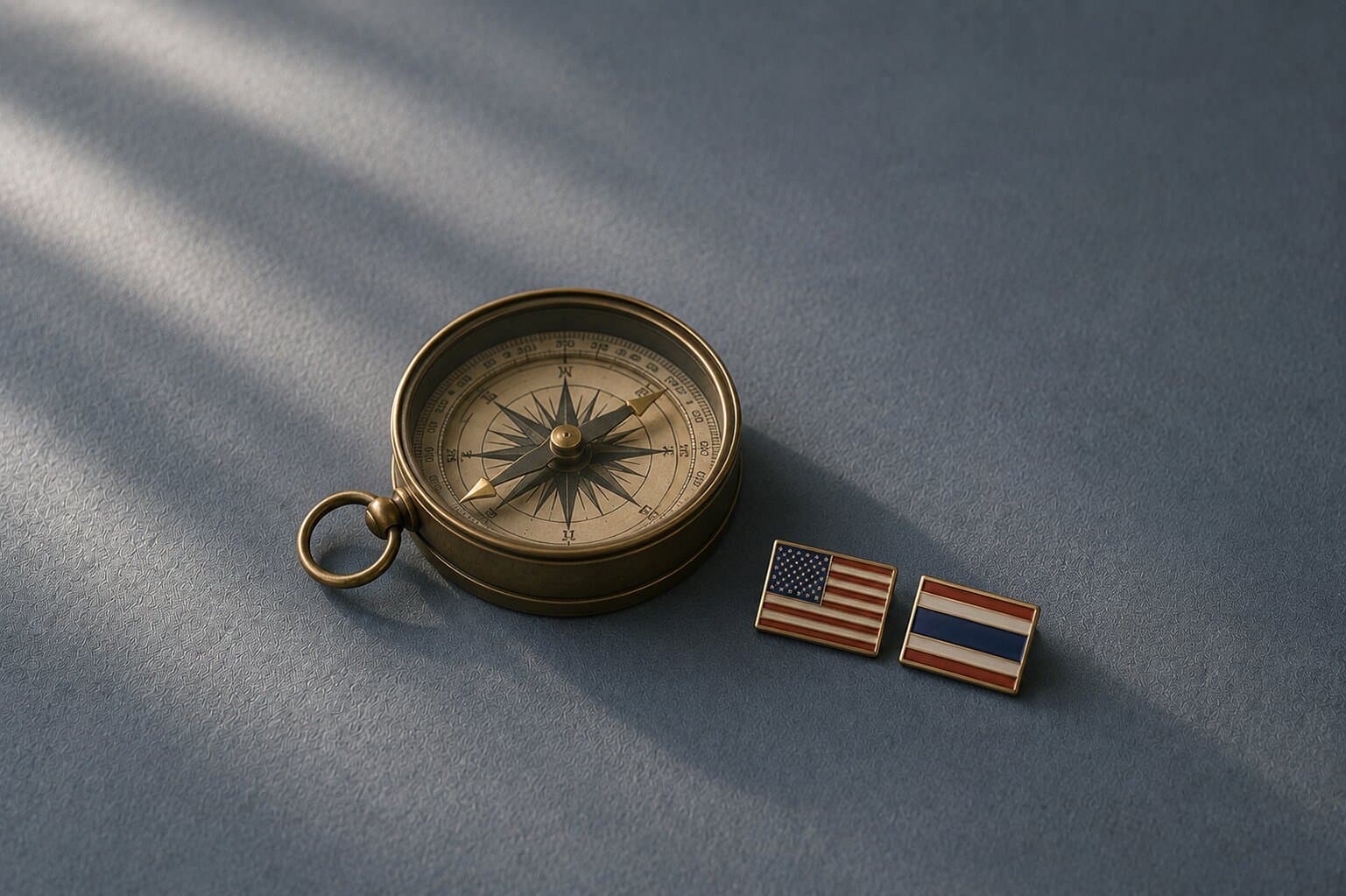
The short answer: yes for condos, no for land
Can Americans buy property in Thailand? Yes, with the same limits that apply to every other foreign nationality. An American can own a condominium unit outright, own a building separately from the land under it, and hold long registered leases or land-use rights. What an American cannot do is own land freehold. Thailand's Land Code restricts land ownership to Thai nationals, with only narrow exceptions, and being a US citizen does not change that.
This surprises a lot of American buyers, because the US-Thailand Treaty of Amity really does give Americans special business rights in Thailand. It stops short of property, and the section below explains exactly why.
If you're weighing a purchase, the structure you choose matters more than your passport. Lawyers who help foreigners buy property in Thailand deal with these structures daily, and the rest of this guide explains what they'll be working with.
What property Americans can buy in Thailand
The realistic options for an American buyer, in rough order of popularity:
- A condominium unit, freehold. Under the Condominium Act, foreigners can together own up to 49% of the saleable floor area of a condo building. Within that quota, an American can hold the unit in their own name with full ownership, registered at the Land Office.
- A building without the land. Houses and villas can be owned separately from the land they sit on. The typical structure pairs ownership of the house with a registered lease over the land.
- A registered lease. Leases over three years must be registered at the Land Office to be enforceable beyond three years, and the maximum registered term is 30 years. The trade-offs are covered in the guide to leasehold versus freehold in Thailand.
- Registered land-use rights. A usufruct (the right to use and benefit from land), superficies (the right to own structures on someone else's land), or habitation can be registered at the Land Office and can give long-term security without ownership.
The pillar guide on whether foreigners can buy property in Thailand walks through each of these in more depth. The point for American readers: the menu is identical for you.
The condo route, the way most Americans buy
For most American buyers, the practical answer to "can I buy property in Thailand" is a condo. It's the one route to clean, registered, freehold ownership in your own name.
Two rules shape every foreign condo purchase:
- The 49% foreign quota. Foreigners can hold at most 49% of a building's saleable floor area. Popular buildings in Bangkok and beach markets can run close to their quota, so checking the available foreign quota is one of the first things to verify before paying a deposit. Lawyers handling Bangkok condo purchases and firms advising on Phuket condos and villas can ask the juristic person, the owners' body that runs the building, to confirm the remaining foreign quota.
- Foreign currency remittance evidence. To register a condo in a foreign name, the purchase funds generally need to arrive in Thailand as foreign currency, documented by the receiving bank (commonly called a Foreign Exchange Transaction form or credit advice). Wiring US dollars from an American bank account and converting them in Thailand is the standard pattern. Paying from money already sitting in Thailand in baht can block the registration.
There's a full guide to buying a condo in Thailand as a foreigner covering quota checks, deposits, and the transfer at the Land Office.
The Treaty of Amity does not cover property
Here's the misconception worth clearing up properly. The US-Thailand Treaty of Amity, signed in 1966, lets qualifying American citizens and US-majority companies own up to 100% of a Thai business and operate on broadly the same footing as Thai companies. Because of it, Americans genuinely do have rights in Thailand that other nationalities don't.
Those rights cover business activity, not property. Owning land is one of the treaty's express exclusions, alongside areas like banking and communications. An Amity-certified company cannot buy land the way a Thai company can, and the treaty says nothing at all about individual Americans buying homes.
So if an agent or a forum post tells you the treaty gives Americans a special path to Thai real estate, that's wrong, and it's worth being suspicious of whatever else came with the claim. The treaty is a genuinely useful tool for American founders; there's a full guide to how the Treaty of Amity works if your real question is about running a business.
A related trap: setting up a Thai company with Thai shareholders mainly to hold land for you. Where the Thai shareholders are stand-ins with no real stake, this is the nominee structure, and it's illegal under Thai law. Authorities have scrutinised land-holding companies for years. A structure that only works if officials never look at it is not a structure; it's a liability.
What the purchase actually costs
Transfer costs in Thailand don't depend on nationality. For a typical resale, expect:
- Transfer fee: 2% of the official appraised value, payable at the Land Office.
- Stamp duty or specific business tax: 0.5% stamp duty, or 3.3% specific business tax instead where the seller has owned the property for less than five years.
- Withholding tax: 1% for corporate sellers; a progressive calculation based on the appraised value and holding period for individual sellers.
Who pays which cost is negotiable and should be written into the sale contract; the guide to what a property transfer costs in Thailand covers each charge and the customary split. Rates and reduction schemes change from time to time, so confirm the current figures with the Land Office or the Revenue Department before completion day.
One US-specific point: buying property abroad doesn't remove your American tax obligations. Foreign accounts used in the purchase may trigger US reporting requirements (such as FBAR), and rental income from a Thai condo is reportable in both countries. A tax adviser familiar with US expat filing can tell you what applies to your situation.
Where American buyers go wrong
The recurring problems lawyers see with US buyers are the same ones every foreign buyer faces, plus the treaty misconception:
- Relying on the Treaty of Amity for land. Covered above. It doesn't work.
- Skipping the title check. Not all Thai title documents carry the same rights. A title search at the Land Office confirms who owns the property, what's registered against it, and whether the seller can actually transfer it.
- Transferring money the wrong way. Funds for a foreign-name condo purchase need to arrive as foreign currency with the right documentation. Fixing this after the fact is painful.
- Signing the developer's contract unread. Off-plan and resale contracts are negotiable. Payment schedules, penalty clauses, and transfer-cost splits all deserve review before signing, which is exactly what property purchase lawyers are for.
None of these require an American-specific specialist. They require a careful Thai property lawyer, because title checks, transfer wording, and deposit evidence are exactly where property disputes in Thailand tend to start.
Talk to a property lawyer before you transfer money
Thailand has no escrow requirement for most property deals and no compulsory legal representation, so the only person checking the title, the contract, and the money trail on your behalf is the one you hire. For a purchase that often runs into millions of baht, a legal review is cheap insurance.
Compare property lawyers in Thailand on Justenda, or go straight to firms that handle foreign ownership structuring if your question is how to hold the property. You can message firms directly and get a fee quote before committing to anything.
A note on what this guide is
This is general information to help American buyers understand how Thai property rules work, not legal or tax advice. Quotas, fees, and registration practice change, and the right structure depends on your specific purchase. Confirm current requirements with the Department of Lands, the Revenue Department, or a qualified Thai property lawyer before you commit money to a transaction.
Frequently asked questions
- Can an American citizen own a house in Thailand?
- An American can own the building itself, such as a house, separately from the land it stands on, but cannot own the land freehold. Most American house buyers lease the land (registered leases run up to 30 years) or hold a registered right such as a usufruct or superficies, and own the structure on top. A lawyer can check which combination fits a specific purchase.
- Does the US-Thailand Treaty of Amity let Americans buy land?
- No. The Treaty of Amity gives qualifying American-owned companies national treatment for most business activities, but owning land is one of its express exclusions. An Amity company cannot buy land the way a Thai company can, and the treaty gives individual Americans no property rights at all.
- Can Americans get a mortgage in Thailand?
- Thai banks rarely lend to foreigners for property, and Americans are no exception. Most American buyers pay in cash transferred from abroad, which also produces the foreign-currency remittance evidence needed to register a condo in a foreign name. Some international banks offer limited foreign-buyer financing; terms vary, so confirm directly with the lender.
- Do Americans pay extra taxes when buying Thai property?
- No, the costs are the same for every buyer regardless of nationality. Typical transfer costs include a 2% transfer fee, either 0.5% stamp duty or 3.3% specific business tax (where the seller has held the property under five years), and withholding tax. Who pays what is negotiable in the contract, so confirm the split before signing.
- Can an American inherit property in Thailand?
- An American can inherit a condo, subject to the foreign ownership quota, and can inherit land in some cases but generally cannot keep registered ownership of it long term; the usual outcome is selling the land within a set period. Inheritance involving land is one of the areas where speaking with a Thai property or estate lawyer early makes a real difference.
Sources
- Department of LandsPDFdol.go.th
- U.S. Embassy: Business faqsth.usembassy.gov
- Revenue Departmentrd.go.th
General information only, not legal advice. Laws and processes in Thailand change; confirm details with a qualified professional.