Justenda.

Family Lawyers in Thailand.

Guidance for divorce, custody, child support, adoption, and family rights matters.

5 firms on Justenda.

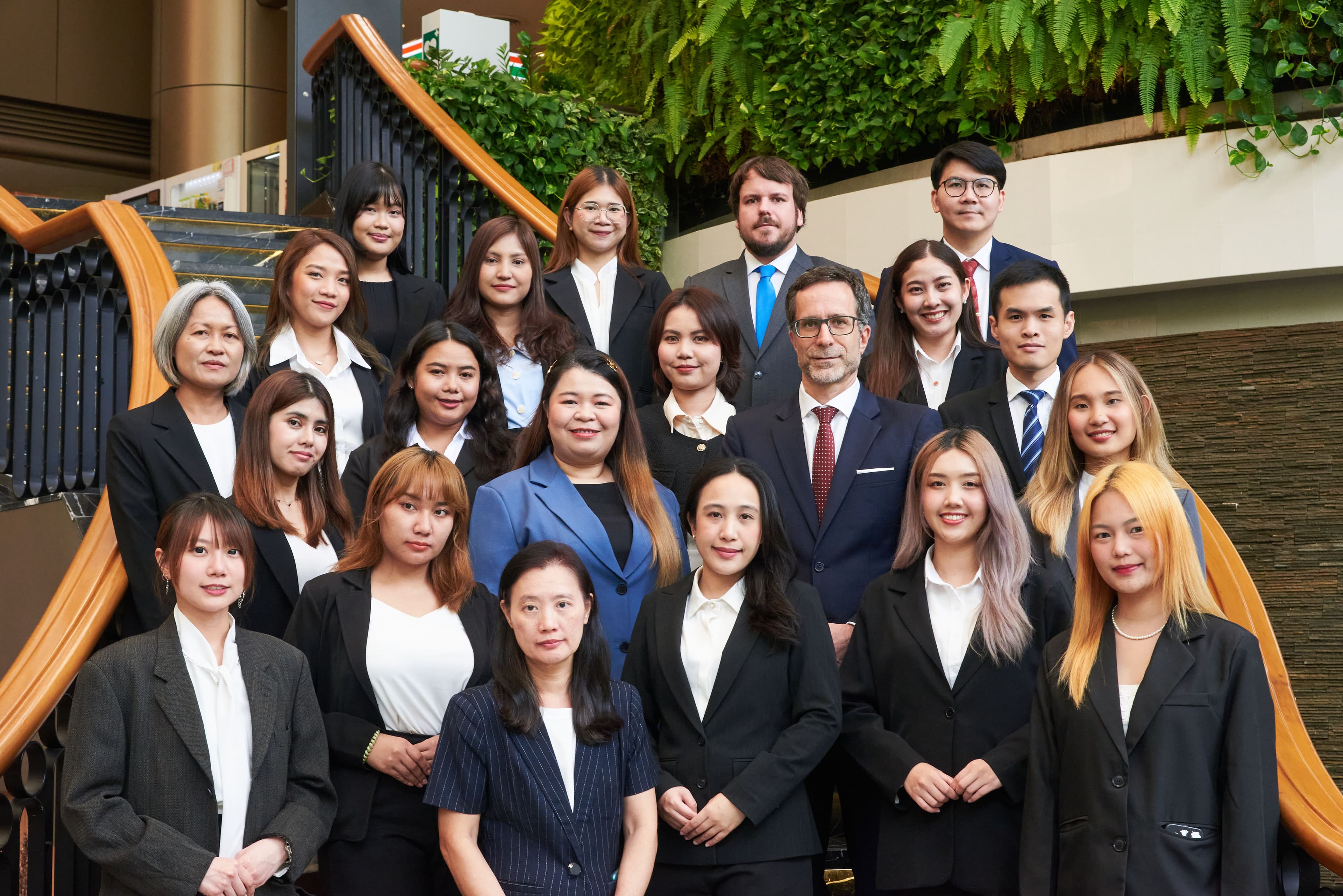
FRANK Legal & Tax

Free consultation · 15 min
BangkokEnglish · Thai · German

International boutique law firm in Bangkok and Phuket, providing legal and tax services to investors, businesses, and private clients across Thailand

฿7,00012,000 / hour

View profile

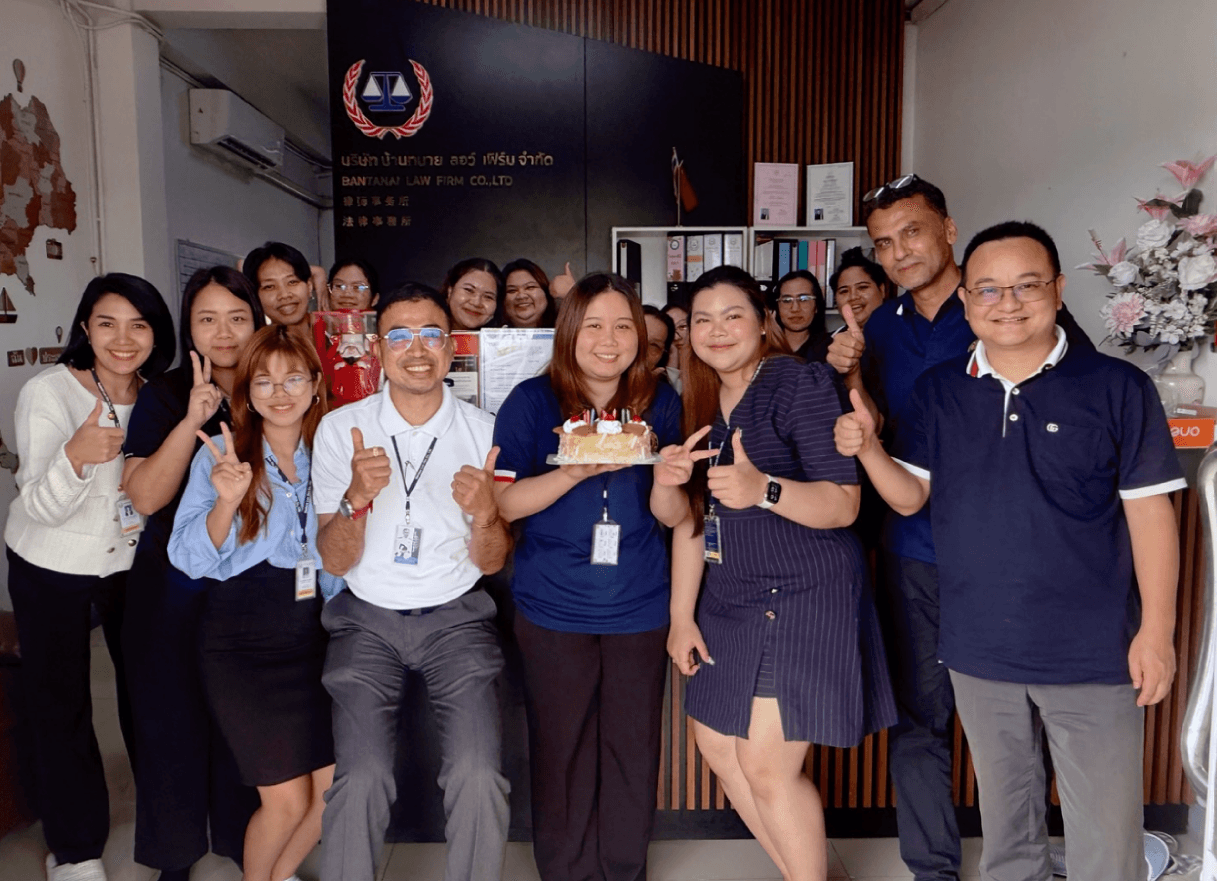
GPS Legal

Consultation from ฿3,125 · 30 min
BangkokEnglish · Thai · Swedish

Bangkok-based law firm delivering strategic, business-focused legal advice with deep local expertise and a practical, solutions-oriented approach.

฿3,50015,000 / hour

View profile

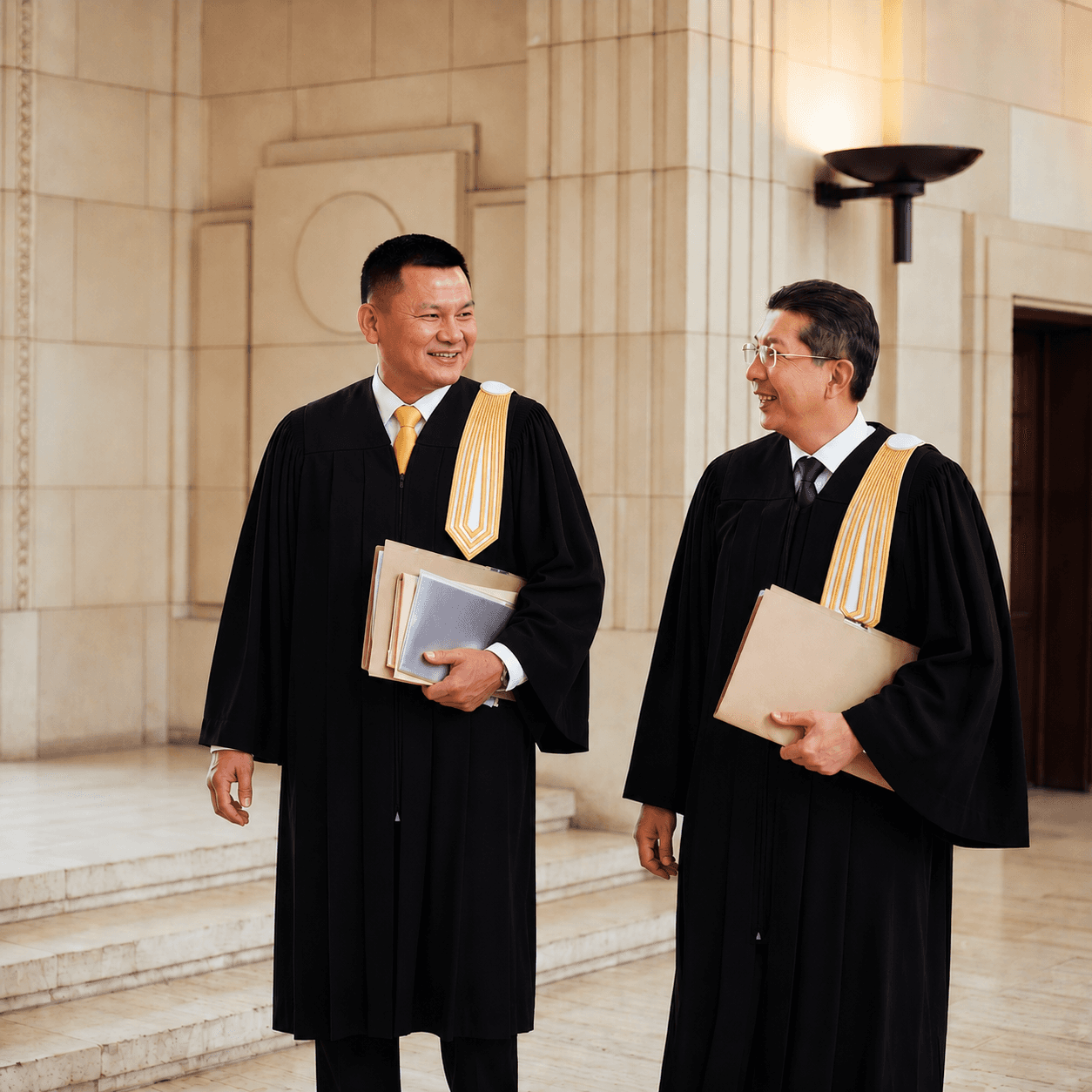
MSC International Law Office

Free consultation · 30 min
BangkokEnglish · Thai · Chinese (Mandarin) · Cantonese · Russian · German

International Legal and Cross-Border Business Advisory in Thailand and Asia

View profile

FRANK Legal & Tax

Free consultation · 15 min
BangkokEnglish · Thai · German

International boutique law firm in Bangkok and Phuket, providing legal and tax services to investors, businesses, and private clients across Thailand

฿7,00012,000 / hour

View profile

GPS Legal

Consultation from ฿3,125 · 30 min
BangkokEnglish · Thai · Swedish

Bangkok-based law firm delivering strategic, business-focused legal advice with deep local expertise and a practical, solutions-oriented approach.

฿3,50015,000 / hour

View profile

MSC International Law Office

Free consultation · 30 min
BangkokEnglish · Thai · Chinese (Mandarin) · Cantonese · Russian · German

International Legal and Cross-Border Business Advisory in Thailand and Asia

View profile

Blumenthal Richter Sumet & Schuler

Free consultation · 1 hr
BangkokChinese (Mandarin) · English · German · Thai · Japanese

Blumenthal Richter Sumet & Schuler is a leading law firm in Bangkok, Thailand. We provide legal services in all practice areas.

View profile
Bangkok

Experts assisting clients in conducting their businesses and protecting their rights and investments in Thailand across a wide range of legal matters.

View profile

Guide

Working with a family lawyer in Thailand

A plain guide to how Thai family law works, what a family lawyer actually does, the rules that changed in 2025, and what to expect on cost. Family matters are personal and time-sensitive; knowing the process before you call makes the first conversation more useful.

How family law works in Thailand

Family law in Thailand sits in Book V of the Civil and Commercial Code, which governs marriage, divorce, parental power, adoption, and succession. Cases that reach a courtroom are heard in the Juvenile and Family Courts: the Central Juvenile and Family Court in Bangkok and provincial juvenile and family courts across the country. The Courts of Justice run these courts, which emphasise reconciliation and the welfare of any children, with lay judges sitting alongside professional judges.

Lawyers in Thailand are regulated by the Lawyers Council of Thailand. There is no separate family-law licence; any Thai-admitted attorney can take family work, but the firms that do it every week handle the emotional and procedural side more smoothly than a generalist. For broader background on how Thai firms operate, see the main lawyers in Thailand guide.

The biggest recent change took effect on 23 January 2025. The Marriage Equality Act amended the Civil and Commercial Code to replace “husband and wife” with “spouses,” so any two people can marry regardless of gender, with the same rights to divorce, marital property, inheritance, and adoption. Thailand was the first country in Southeast Asia to recognise same-sex marriage.

What family lawyers in Thailand handle

The work splits into a few recurring areas. Most family firms cover all of them; smaller practices may focus on divorce and children.

Divorce. From an uncontested filing at the district office to a contested case in court, a divorce lawyer handles the grounds, the settlement, and the division of marital property.

Children. Custody and child support are decided on the best interests of the child, by agreement where possible and by the court where not.

Marriage and prenuptial agreements. Registering a marriage and drafting a prenuptial agreement that holds up are routine work, and the timing rules are strict.

Adoption and legitimation. Adoption needs consent and court approval; legitimation is how a father gains legal status over a child born outside marriage.

Protection from domestic violence. A lawyer files for a protection order and the urgent applications that go with it.

Wills and succession. Family and estate work overlap. A Thai will and probate keep an estate out of a slow intestacy process, especially where assets sit in more than one country.

Marriage, prenuptial agreements, and property

A marriage in Thailand is registered at the district office (Amphoe). Thai law then sorts a couple's property into two pots: Sin Somros, the marital property acquired during the marriage, and Sin Suan Tua, the personal property each spouse owned beforehand, plus most gifts and inheritance. On divorce, Sin Somros is divided equally and each spouse keeps their own Sin Suan Tua.

A prenuptial agreement can change that default, but the timing is strict. Under Section 1466 of the Civil and Commercial Code, the agreement must be in writing, signed by both spouses and two witnesses, and entered in the marriage register at the time the marriage is registered. It cannot be added later. A prenuptial agreement signed but never registered with the marriage is void, which is the most common mistake foreign couples make.

A family lawyer drafts the agreement so it is valid in Thailand and, where one spouse is foreign, coordinates it with any agreement meant to work in the other country.

Divorce in Thailand

Uncontested (administrative) divorce. When both spouses agree on the terms, they register the divorce at the district office where the marriage is recorded. It is fast and inexpensive. A lawyer is useful mainly to draft a clean settlement on property, custody, and support so nothing is left vague.

Contested divorce. When the spouses do not agree, one petitions the Juvenile and Family Court on a statutory ground under Section 1516 of the Civil and Commercial Code. The grounds include adultery, serious misconduct, desertion for more than a year, failure to maintain the other spouse, and at least three years of separation. The court can decide property division, custody, and support in the same case.

A marriage registered abroad can usually be ended in Thailand where there is a real connection to the country. Whether the result is recognised in another country depends on that country's rules, which is where a home-country lawyer comes in alongside the Thai divorce filing.

Children: custody, support, and legitimation

Custody in Thai law is called parental power. Married parents share it. On divorce, the parents agree how it is held or the court decides, always on the best interests of the child. A clear parenting plan, agreed and recorded, prevents most later disputes over custody.

Both parents owe a duty to support their children. The court can set a child support amount and enforce it, and the figure can be varied when circumstances change.

For a child born outside marriage, the mother holds sole parental power until the father legitimatesthe child, by later marrying the mother, by registration, or by court judgment. Legitimation is the route to legal fatherhood, inheritance rights, and a say in the child's upbringing. Adoption, domestic or inter-country, is a separate process that needs consent and court approval.

Cross-border families and foreign nationals

Mixed-nationality marriages are common in Thailand, and they add steps. Foreign documents such as birth, marriage, and divorce certificates usually need translation and legalisation through the Ministry of Foreign Affairs, and sometimes the home-country embassy as well.

A divorce can change the basis of a marriage visa, so the immigration side often runs in parallel; see immigration lawyers in Thailand. Where one parent removes a child across a border, Thailand is a party to the Hague Convention on the Civil Aspects of International Child Abduction, in force since 2013, and applications run through the Central Juvenile and Family Court.

Cross-border estates need a Thai will that works alongside any foreign will, so the succession side is worth settling early rather than after a death.

Costs and what to send before the call

Fees track the work. An uncontested, administrative divorce is often a modest flat fee. A contested divorce, a custody dispute, or a cross-border matter is usually billed hourly; reported rates at small and mid-size Thai firms run from about 2,500 to 7,500 THB an hour, higher at large Bangkok firms. Court filing fees and certified translations are billed on top.

Bring the marriage certificate, IDs and passports, any prenuptial agreement, the children's details, an honest picture of income and assets, and any foreign court orders. A clear brief sharpens the fee estimate, because the firm can see the scope rather than guess at it.

When a matter also pulls in property division, immigration, or tax, the wider directory of Thai law firms covers those practice areas alongside the family side.

FAQ

Frequently asked questions about family lawyers and attorneys in Thailand

Plain answers to the questions people send us most about Thai family law, divorce, children, prenuptial agreements, and cross-border families.

Do I need a Thai family lawyer, or can a lawyer from my home country handle it?

Only a Thai-licensed lawyer can file and appear in a Thai Juvenile and Family Court. A foreign lawyer can advise on the law of their own country and on how a Thai outcome will be treated back home, but the Thai court work, the filings, and the registrations at the district office require a Thai-admitted attorney. Many cross-border matters use both: a Thai family lawyer for the local process and a home-country lawyer for recognition abroad.

What are the grounds for divorce in Thailand?

There are two routes. An uncontested (administrative) divorce needs both spouses to agree on the terms and register the divorce at the district office where the marriage is recorded. A contested divorce is a petition to the Juvenile and Family Court on one of the statutory grounds in Section 1516 of the Civil and Commercial Code, which include adultery, serious misconduct, desertion for more than a year, failure to maintain the other spouse, and at least three years of separation.

Is a prenuptial agreement valid in Thailand?

Yes, when it is done correctly. Under Section 1466 of the Civil and Commercial Code, a prenuptial agreement must be in writing, signed by both spouses and two witnesses, and entered in the marriage register at the time the marriage is registered. It cannot be added after the marriage. A prenuptial agreement signed but not registered with the marriage is void, which is the most common mistake foreign couples make.

How is property divided in a Thai divorce?

Thai law splits property into Sin Somros (marital property acquired during the marriage) and Sin Suan Tua (personal property owned before the marriage, plus most gifts and inheritance). On divorce, Sin Somros is divided equally between the spouses, and each keeps their own Sin Suan Tua. A valid prenuptial agreement can change this default. Property held through companies or in third-party names often needs a closer look.

Who decides child custody in Thailand, and on what basis?

Parental power (custody) can be agreed between the parents or decided by the Juvenile and Family Court, always on the best interests of the child. Married parents share parental power; on divorce it is allocated by agreement or court order. Child support is a legal duty of both parents, and the court can set and enforce an amount. A lawyer prepares the parenting plan or the petition and represents the parent in court.

Can same-sex couples marry and divorce in Thailand?

Yes. Since 23 January 2025, the Marriage Equality Act has amended the Civil and Commercial Code so that any two people can marry regardless of gender. Thailand was the first country in Southeast Asia to recognise same-sex marriage. The same rules now apply to all couples on marital property, divorce, inheritance, and joint adoption of children.

I married abroad, or my spouse is a different nationality. Can I deal with it in Thailand?

Often, yes, where there is a real connection to Thailand. Foreign certificates usually need translation and legalisation through the Ministry of Foreign Affairs, and sometimes the home-country embassy. Where a child has been wrongfully removed across borders, Thailand is a party to the Hague Convention on the Civil Aspects of International Child Abduction, and applications run through the Central Juvenile and Family Court. A divorce can also affect a marriage-based visa, so the immigration side often runs alongside.

How much does a family lawyer in Thailand cost?

An uncontested, administrative divorce is often a modest flat fee. A contested divorce, a custody dispute, or a cross-border matter is usually billed hourly. Reported hourly rates at small and mid-size Thai firms run from about 2,500 to 7,500 THB, higher at large Bangkok firms. Court filing fees and certified translations are billed on top. A clear brief at the first call makes the estimate more accurate.

Browse by city

Find a family lawyer by city in Thailand

Browse family lawyers in Thailand by the city where you live or where the case will be heard.