Property
Rental Deposits and Tenant Rights in Thailand.
How rental deposits work in Thailand: the one-month cap for large landlords, lawful deductions, and what tenants can do when a deposit isn't returned.
- Published
- Updated
- Reading time
- 6 min read
- Author
- Justenda
Key facts
- How much is a typical deposit?
- Commonly one to two months' rent. Landlords renting three or more residential units fall under the 2025 consumer-contract rules, which cap advance rent and deposit combined at three months' rent.
- When must it be returned?
- Under the 2025 controlled-contract rules, a covered landlord returns it immediately, or within 7 working days of move-out where the property is checked for damage first, minus lawful deductions.
- Can a landlord keep it for normal wear?
- No. Deductions are for actual damage beyond normal wear and tear, unpaid rent, or unpaid utilities, and the landlord should be able to itemise them.
- Last reviewed
- July 2026
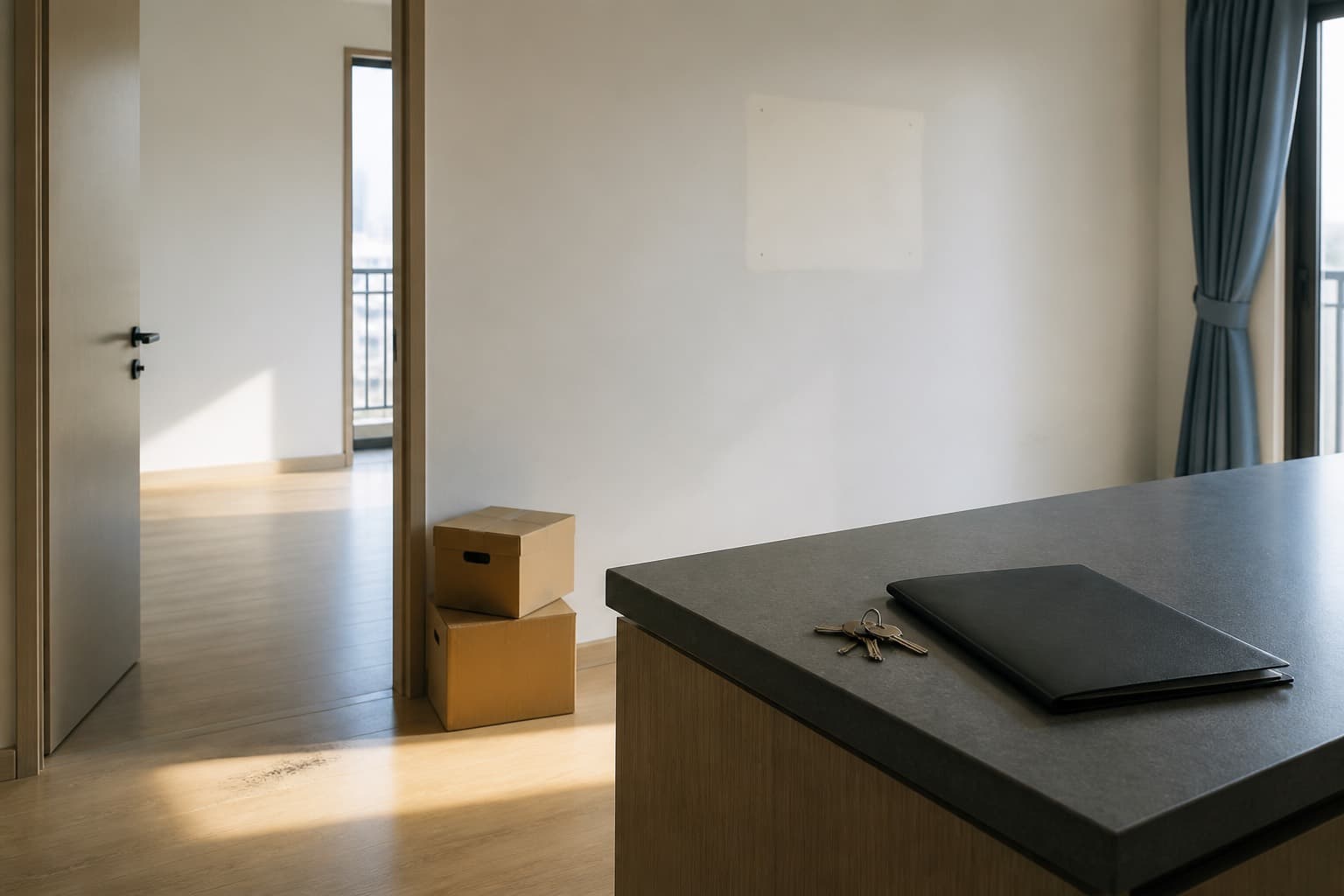
Rental deposits in Thailand: what the rules actually say
A rental deposit in Thailand usually means two payments before you get the keys: a security deposit and one month of rent in advance. The security deposit is the one that causes arguments later, because it sits with the landlord for the whole tenancy and comes back only if the move-out goes smoothly.
The rules are clearer than most people expect, and they tightened in 2025. Under the updated contract-controlled business notification (B.E. 2568), residential landlords who rent out three or more units are covered by Thailand's consumer protection framework, which caps what they can collect up front and sets a deadline for returning the deposit. Smaller landlords are governed by the lease contract and the Civil and Commercial Code.
If you are about to sign, having a lawyer run a lease agreement review before you pay anything is the cheapest protection available. Most deposit disputes trace back to a contract clause nobody read.
How much deposit is normal, and what the cap covers
The market norm is one to two months' rent as a security deposit, plus the first month of rent in advance.
For covered landlords (three or more residential units rented as a business), the 2025 rules cap the advance rent and security deposit together at:
- Three months' rent combined for a standard monthly tenancy, and
- One year's rent combined where the rent is billed annually on a long-term contract.
A covered landlord asking for more than that combined total is asking for more than the rules allow. In practice, many serviced apartments and large condo landlords comply, while some still quote old terms. Pointing at the rule is often enough to renegotiate.
Small private landlords, such as an individual owner renting out a single condo unit, are not bound by the cap. For them, the deposit is whatever the contract says, which is why two months remains common in the condo market.
When the deposit must come back
For covered landlords, the 2025 rules require the deposit back immediately when the landlord has no damage to claim, or within 7 working days of move-out where the landlord first checks the property, less any lawful deductions. Confirm the exact period with the OCPB or a lawyer if the timing is in dispute.
For everyone else, the lease contract sets the timeline. Many contracts say 30 days; some say nothing at all. If your contract is silent, a written demand giving the landlord a clear deadline, commonly 7 to 15 days, is the standard first move.
Two habits prevent most disputes:
- Document the condition at move-in. Photograph every room, fixture, and existing defect, and email the photos to the landlord on day one so the date is provable.
- Do a joint inspection at move-out. Walk the property together, agree any deductions on the spot, and get the agreement in writing before you hand over the keys.
What a landlord can and cannot deduct
Lawful deductions are narrow:
- Damage beyond normal wear and tear. A broken cabinet door, a stained carpet from a spill, a hole in a wall.
- Unpaid rent.
- Unpaid utilities and service charges that the tenant was responsible for under the contract.
Normal wear and tear is not damage. Faded curtains, worn flooring in walkways, small scuffs, and paint dulled by sunlight are the cost of renting the property out, and they belong to the landlord. The same goes for "repainting fees" charged as a routine exit cost: unless the tenant caused damage that requires it, a blanket repainting charge is hard to justify and worth disputing.
A landlord making deductions should itemise them. "Cleaning and repairs: 15,000 THB" with no breakdown is a negotiating position, not an account.
What to do when a deposit isn't returned
Work up the ladder; most disputes settle on the first or second rung.
- Written demand. Send a dated letter or email demanding the deposit (or the balance after agreed deductions) within a fixed period, such as 7 days. Attach your move-in photos and the move-out inspection notes. Keep everything in writing from this point.
- Consumer protection complaint. If the landlord is a covered business, the Office of the Consumer Protection Board (OCPB) accepts complaints about residential lease practices, including deposit retention. The complaint itself often prompts payment, because the rules carry penalties for violating landlords.
- Demand letter through a lawyer. A formal letter on a law firm's letterhead changes the landlord's calculation for a modest fixed fee. For deposits of one or two months' rent in Bangkok or Phuket, this is usually the most cost-effective escalation.
- Civil claim. Deposit claims can go to court, and for consumer cases the procedure is designed to be accessible. Whether it is worth it depends on the amount; a lawyer can tell you quickly whether the claim justifies the cost.
If the dispute is part of something bigger, such as a landlord holding the deposit while also claiming damages against you, treat it as a property dispute, read the broader guide to property disputes in Thailand, and get advice before responding.
Tenant rights beyond the deposit
The same contract-controlled business rules give tenants of covered landlords a few more protections worth knowing:
- No charging above the metered utility rate. Electricity and water must be billed at the rate the provider actually charges, not a marked-up "building rate".
- Termination notice. The tenant can end the lease early with 30 days' written notice in the situations the rules allow, and the landlord cannot terminate without cause on short notice.
- No automatic forfeiture clauses. Terms that let the landlord seize the whole deposit for any breach, however minor, are the kind of clause the rules were written to stop.
For leases signed with small private landlords, your rights are mostly what the contract says, backed by the Civil and Commercial Code. That is exactly why the contract deserves a read before signing, not after the dispute starts. Renters settling in for the long haul, including those on a retirement visa in Thailand, may want to understand the ownership routes too, which the guide to buying property in Thailand as a foreigner lays out. If a condo is the likely purchase, the guide to buying a condo in Thailand covers the foreign-quota rules that a lease never raises.
When a lawyer helps
Most deposit problems resolve with documentation and a firm letter. A lawyer earns their fee when the amounts are larger, the landlord has gone quiet, or the lease itself is the problem: long corporate leases, villa rentals with unusual terms, or deposits of several hundred thousand baht on high-end properties. Prepaid long leases raise different questions again, covered in the guide to leasehold and freehold in Thailand.
When that point comes, you can compare property lawyers in Thailand on Justenda, message them directly, and ask what a demand letter or contract review costs before you commit.
A note on what this guide is
This is general information about rental deposits and tenant rights in Thailand, not legal advice. The consumer protection rules apply differently depending on the landlord and the property, and details change. For a specific dispute, confirm the current rules with the Office of the Consumer Protection Board or speak with a qualified Thai lawyer.
Frequently asked questions
- How much rental deposit can a landlord ask for in Thailand?
- One to two months' rent is the market norm, usually paid together with one month of advance rent. Since the 2025 update to the contract-controlled business rules, landlords who rent out three or more residential units are covered, and for them advance rent and security deposit together are capped at three months' rent on a standard monthly tenancy. Smaller private landlords are not bound by the cap, so two months is still common.
- How long does a landlord have to return a deposit in Thailand?
- For landlords covered by the contract-controlled business rules, the 2025 update requires the deposit back immediately, or within 7 working days after move-out where the landlord first inspects the property, minus any lawful deductions. For small private landlords the lease contract governs the timing, so check what your agreement says. If no period is stated, a written demand with a clear deadline is the usual first step.
- What can legally be deducted from a rental deposit?
- Actual damage beyond normal wear and tear, unpaid rent, and unpaid utility or service bills. Faded paint, minor scuffs, and worn fittings from ordinary use are normal wear and should not be charged to the tenant. A landlord making deductions should be able to show what was damaged and what the repair cost.
- What can I do if my landlord refuses to return my deposit?
- Start with a written demand that sets a deadline and keeps a paper trail. If that fails, tenants can complain to the Office of the Consumer Protection Board (OCPB), which handles residential lease disputes with covered landlords, or bring a civil claim. For typical deposit amounts the cost of going to court often outweighs the deposit, which is why a firm demand letter, sometimes sent through a lawyer, resolves most cases.
- Does a foreign tenant have the same deposit rights as a Thai tenant?
- Yes. The Civil and Commercial Code rules on leases and the consumer protection rules apply to the tenancy, not the tenant's nationality. The practical difference is that foreign tenants more often sign English-language contracts that have never been checked against Thai law, which is where problems tend to start.
Sources
- Office of the Consumer Protection Boardocpb.go.th/news_view.php
- Office of the Consumer Protection Boardcomplaint.ocpb.go.th
General information only, not legal advice. Laws and processes in Thailand change; confirm details with a qualified professional.