Property
Buying an Off-Plan Condo in Thailand.
Buying an off-plan condo in Thailand? The developer checks, contract clauses, and payment safeguards that protect your deposit before the building exists.
- Published
- Updated
- Reading time
- 7 min read
- Author
- Justenda
Key facts
- Is off-plan riskier than resale?
- Yes. You pay in stages for a building that does not exist yet, so your protection comes from the developer's track record and the contract, not the property itself.
- Is escrow required in Thailand?
- No. Escrow under the Escrow Act is voluntary, and most developers do not offer it. Staged payments tied to construction progress are the usual safeguard.
- Can foreigners buy off-plan condos?
- Yes, within the 49% foreign quota of the building, with foreign-currency transfer evidence required at the final transfer.
- Last reviewed
- June 2026
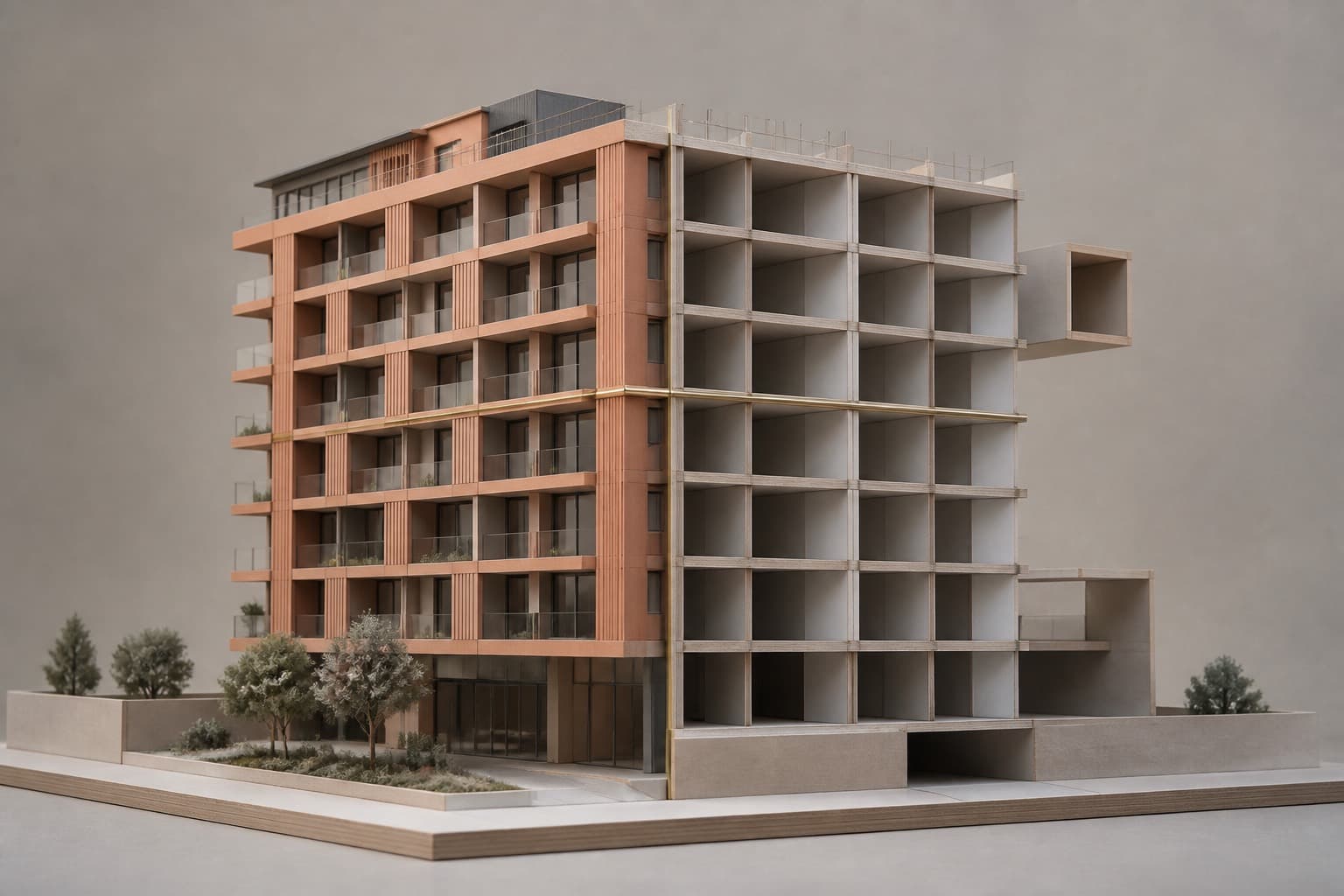
Why buying an off-plan condo in Thailand needs extra caution
Buying an off-plan condo in Thailand means paying for something that does not exist yet. You commit money based on a showroom, a brochure, and a developer's promise, and you keep paying instalments for one to three years while the building goes up. Most projects finish. Some finish late, some finish different from the brochure, and a few never finish at all.
That changes where your protection comes from. With a completed unit, you can inspect what you are buying and check the title before transfer. With off-plan, your protection is the developer's track record and the contract you sign. Both can be checked before you pay anything beyond a small reservation fee, and that check is what property due diligence lawyers spend most of their off-plan work on.
The foreign-ownership rules are the same as for any condo: foreigners can own units within the 49% foreign quota of the building's saleable area, and you will need evidence that the purchase funds came into Thailand in foreign currency when the unit finally transfers. The basics are covered in the guide to buying a condo in Thailand as a foreigner. This guide covers what is different when the condo is still a hole in the ground.
Checking the developer before you commit
Five checks separate a serious developer from a risky one. None of them require taking the sales office's word for anything.
Track record. How many projects has this developer completed, and were they delivered on time and as marketed? A first project is not automatically a bad sign, but it means the contract terms matter even more, because there is no history to rely on.
Company registration. The developer is a Thai company, and its registration, directors, registered capital, and financial statements are on file with the Department of Business Development. A company set up recently with minimal capital for a single project carries different risk than an established developer with audited accounts behind it.
Land title. The developer should own the land the project sits on, or hold it under an arrangement that lets the project complete. A title search at the Land Office shows who owns the land and whether it is mortgaged. Most project land is mortgaged to a financing bank, which is normal, but the contract should deal with how your unit is released from that mortgage at transfer.
Environmental approval. Ask the developer whether the project requires an environmental impact assessment and, if so, for the approval record before relying on the current design or construction timeline. Search the ONEP EIA database for the project's report and confirm any unclear status with ONEP or a qualified Thai property lawyer.
Construction permit. The building permit from the local authority confirms the project can legally be built as designed. No permit, no building. A lawyer running due diligence verifies the permit matches what is being sold: the same number of floors, the same use, the same footprint.
In the busiest developer markets this homework matters most. Bangkok has the deepest pool of established developers, and Bangkok property lawyers run these checks routinely. Phuket's market has more single-project companies aimed at foreign buyers, which makes a thorough check before signing proportionally more valuable. The guide to property due diligence in Thailand walks through how a lawyer verifies the developer, the land, and the permits.
How the purchase is structured
An off-plan purchase usually runs in three stages, and the money at risk grows at each one.
- Reservation. You pay a reservation fee, typically a modest sum, to hold a specific unit at a quoted price. Read the reservation form before signing: some make the fee non-refundable even if you walk away after seeing the full contract.
- Sale and purchase agreement. Within a few weeks you sign the main contract and pay a deposit, often with further instalments scheduled against time or construction milestones. By completion you may have paid a substantial share of the price before owning anything.
- Transfer. When the building is finished and registered as a condominium, you pay the balance and ownership transfers to you at the Land Office, along with the transfer fees and taxes the contract allocates between you and the developer.
The gap between stage two and stage three is where the risk lives. Everything you pay before transfer is unsecured against the unit, because the unit does not legally exist until the condominium is registered.
The contract clauses a lawyer reviews
Developer contracts are drafted by the developer's lawyers, for the developer. Thai consumer-protection rules constrain the worst terms in condominium sale contracts, but enforcement happens after the fact. It is cheaper to fix the contract before signing. These are the clauses that decide how an off-plan deal goes when something slips:
- Delivery date and grace period. A real date, not "estimated completion." How long can the developer run late before penalties start, and how long before you can cancel?
- Late-delivery penalties and refunds. What rate is the penalty, is it capped, and if you cancel for serious delay, do you get all instalments back, with or without interest?
- Specification and size changes. How much can the finished unit differ from the plans? The contract should adjust the price if the measured area differs from the contracted area, and should not let the developer swap materials or layouts without limit.
- Payment schedule against progress. Instalments tied to construction milestones are safer than instalments tied only to dates, because you stop paying if building stops.
- Mortgage release. Confirmation that the financing bank will release your unit from the project mortgage at transfer.
- Default terms on both sides. What the developer keeps if you miss a payment, and what you can claim if the developer breaches. One-sided forfeiture clauses are common and negotiable.
This review sits alongside the rest of the purchase paperwork. If you want the full transaction handled, property purchase lawyers typically combine the contract review with the title and permit checks above.
The escrow reality in Thailand
Buyers from countries where deposit protection is mandatory often assume their instalments sit in a protected account. In Thailand they usually do not.
Thailand has an Escrow Act that allows a licensed escrow agent to hold buyer payments until agreed conditions are met. But using escrow is voluntary, and most developers do not offer it, because it ties up their construction financing. Unless your contract specifically provides for escrow with a licensed agent, your instalments go to the developer and get spent on the build (or elsewhere).
You can ask for escrow. Some developers will agree, particularly on slower-selling projects. If the answer is no, which is common, your fallback protections are the ones already described: a developer with completed projects and real capital, payments tied to construction progress, and a contract with enforceable refund rights.
If the project stalls
When construction stops, buyers face a practical sequence rather than a single remedy.
First, the contract. Serious delay usually triggers a right to cancel and demand your instalments back, sometimes with interest. Send the demand formally and keep records of every payment and every notice.
Second, negotiation. A stalled developer often cannot refund everyone, so outcomes include revised delivery dates, transfers to other projects, or partial settlements. Whether to accept depends on why the project stalled, which is something a lawyer can often establish from the developer's filings and the project's financing position.
Third, formal action. Buyers can pursue a civil claim for the refund, and consumer-case procedures in Thai courts are designed to be more accessible for buyers against businesses. Complaints can also go to the Office of the Consumer Protection Board. If the developer is insolvent, buyers claim as creditors, and recovery is slower and rarely complete. Legal remedies against a failed developer recover some money in some cases, which is exactly why the pre-contract checks carry the weight in off-plan buying.
If you are already in a dispute with a developer over delay, defects, or a refund, compare property dispute lawyers who handle developer claims rather than starting with a general practice.
Before you sign anything
Off-plan can be a good purchase: new buildings, staged payments, and pre-construction pricing. The buyers who do well treat the reservation fee as the price of time to verify everything, and sign the main contract only after the developer, the land, the permits, and the contract terms have all checked out.
When you are ready, you can compare property lawyers in Thailand on Justenda, message a few directly, and get a fixed quote for the developer checks and contract review before your next instalment is due.
A note on what this guide is
This is general information about buying off-plan property in Thailand, not legal advice, and contract terms, consumer-protection rules, and approval requirements change. For a specific project, confirm the current position with the Land Office, the Department of Business Development, or a qualified Thai property lawyer before you pay or sign.
Frequently asked questions
- What does "off-plan" mean when buying a condo in Thailand?
- Off-plan means you buy a unit before the building is finished, often before construction starts. You sign a reservation, then a sale and purchase agreement, and pay in instalments while the developer builds. Ownership only transfers at the Land Office once the building is complete and registered as a condominium.
- How do I check whether a Thai developer is reliable?
- Look at completed projects and whether they were delivered on time, check the company's registration and financial filings with the Department of Business Development, and confirm the project itself has its land title, environmental approval, and construction permit in place. A property lawyer can run these checks before you pay more than a reservation fee.
- Is my deposit protected if the project is never built?
- Not automatically. Thailand has an Escrow Act, but escrow is voluntary and most projects do not use it. If a project stalls, buyers usually rely on the contract's refund clauses and, if needed, a claim against the developer. That is why the contract review and developer checks matter so much before you commit.
- Can the developer change the unit after I sign?
- Contracts often allow minor changes to specifications or small variations in floor area. A lawyer checks how much variation the contract permits, whether the price adjusts for size differences, and whether you can refuse major changes. Unlimited "developer may amend" clauses are a warning sign.
- What happens if the developer delivers late?
- That depends on the contract. Standard condo contract terms provide for penalties or a right to cancel and claim a refund after a defined delay, but the details vary by project. Check the delivery date, the grace period, and the penalty rate before signing, and keep every payment record in case you need to claim.
Sources
- Department of Lands: Condominium documentsdol.go.th
- Department of Business Developmentdbd.go.th
- Office of Natural Resources and Environmental Policyeia.onep.go.th
- Office of the Consumer Protection Boardocpb.go.th
General information only, not legal advice. Laws and processes in Thailand change; confirm details with a qualified professional.